Professional borer beetle treatment for Auckland homes
Borer larvae quietly riddle timber framing, floorboards, joists, and antique wooden furniture with exit holes and flight dust. Our certified technicians apply deep-penetrating, eco-conscious timber preservatives that eliminate active infestations and safeguard your structure.
Direct line to local operators. Honest advice and no-obligation timber assessments.

Common borer infestation signs
- Tiny 1–2mm round flight holes in floorboards & framing
- Fine wood dust (frass) beneath timber beams
- Spongy or crumbling wood when pressure is applied
Signs of borer infestation in your property
Common borer beetles chew through untreated and damp timbers across Auckland homes for years before being spotted. Watch for these four key indicators.
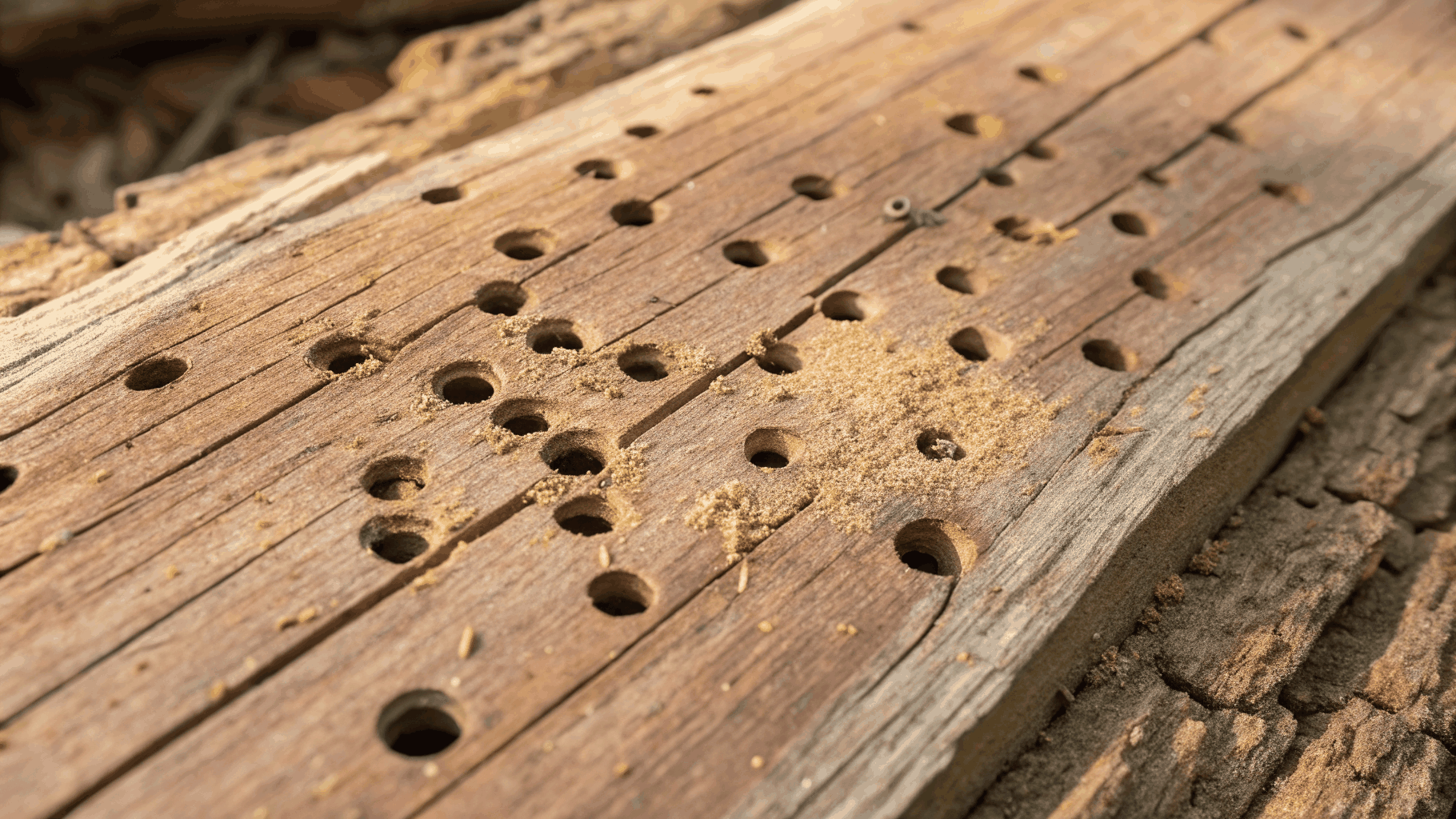
Tiny round or oval pinholes, typically 1mm to 2mm in diameter, appearing on exposed wood surfaces.
Clean, pale edges inside the hole show recent borer activity, whereas dark or weathered holes may be older exit tunnels.
Floorboards, weatherboards, structural joists, and antique furniture.
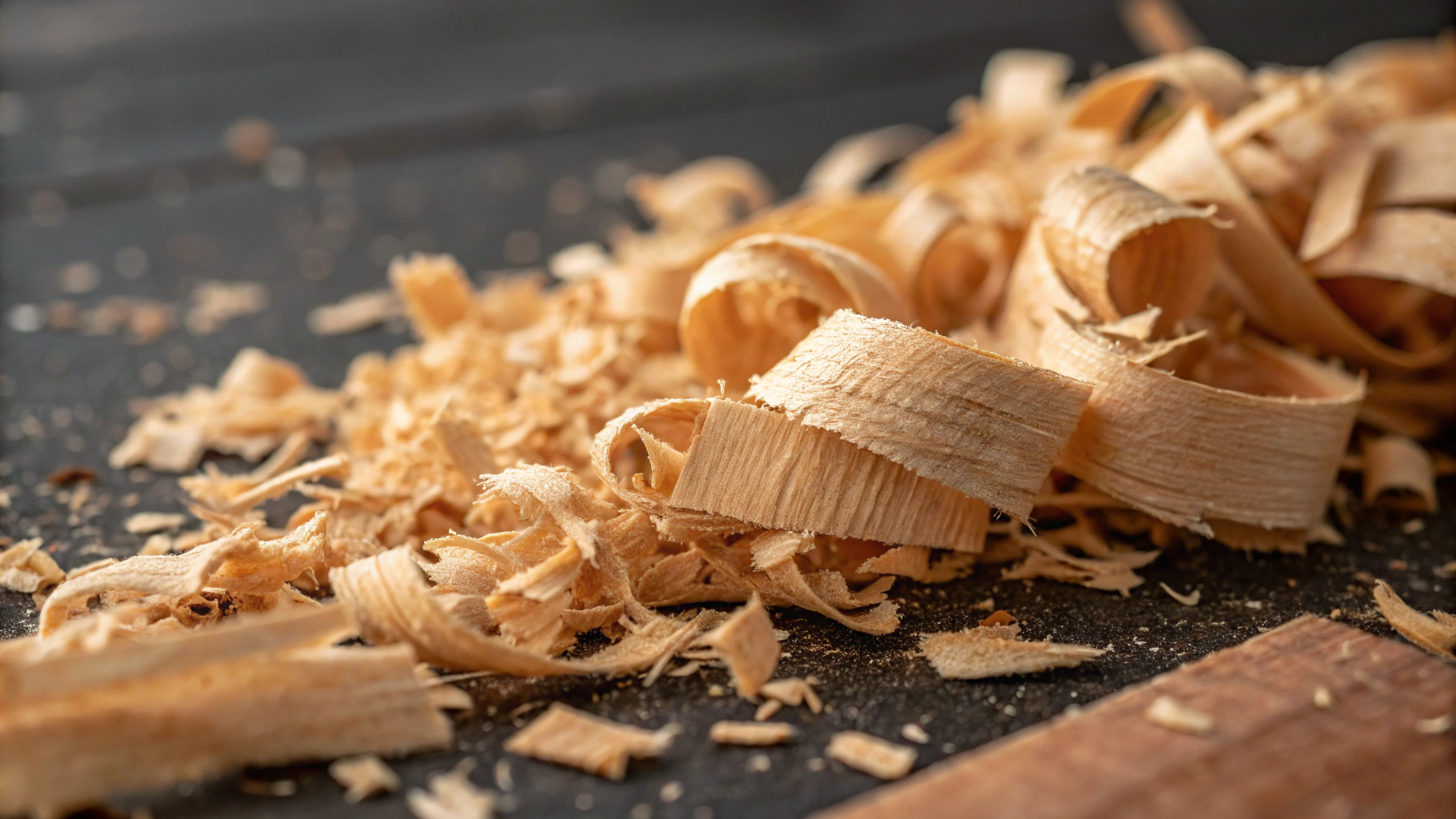
Light-coloured powdery wood dust resembling fine sand or sifted flour beneath wooden structures.
As adult beetles chew their way out of timber, they push bore dust outwards. Fresh spills signal an active seasonal infestation.
Along skirting boards, subfloors, ceiling cavities, and under wooden cupboards.
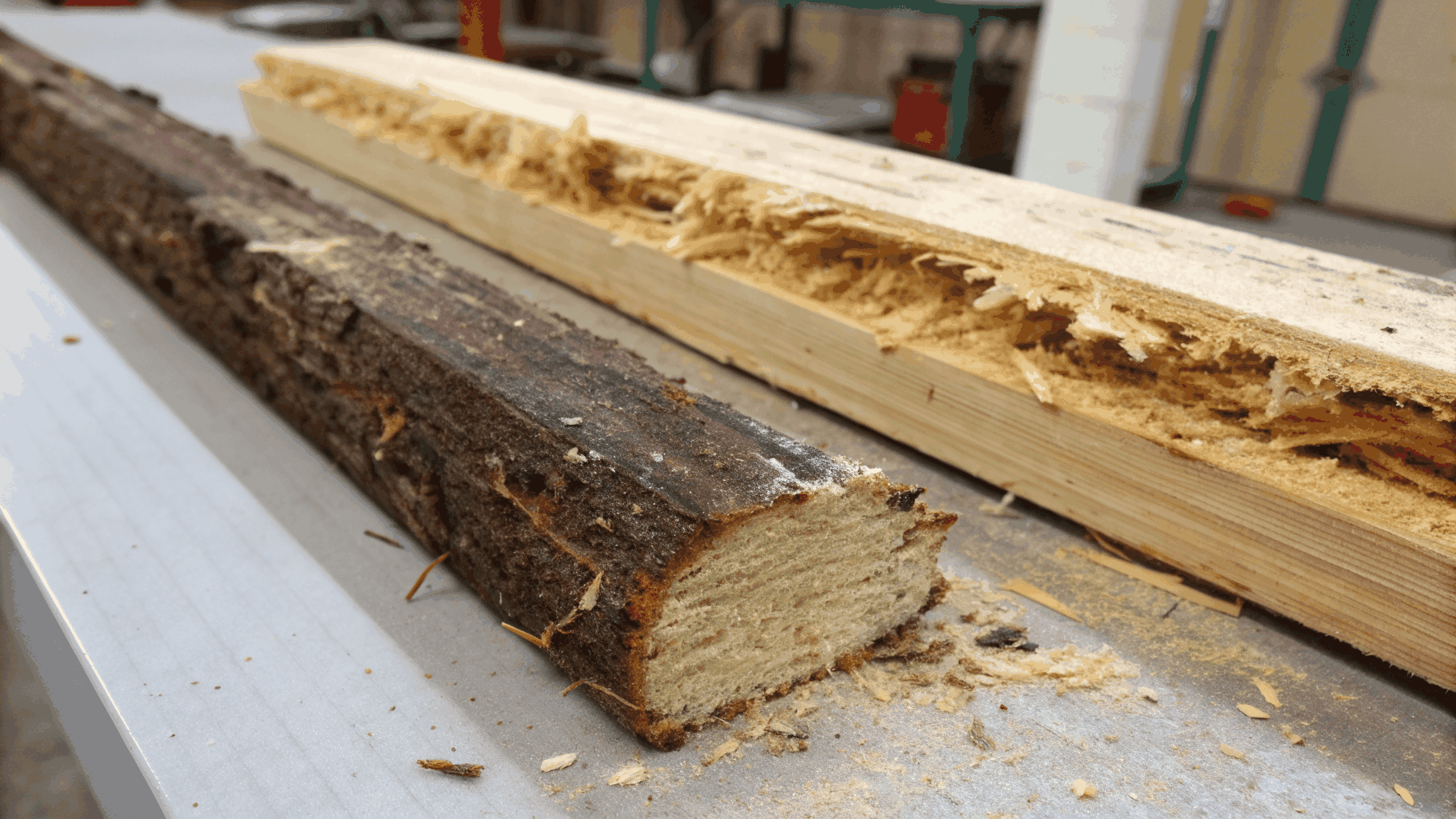
Wood edges or corners that crumble easily under light thumb pressure or feel surprisingly hollow.
Years of internal larval galleries hollow out the core strength of wooden beams while leaving a thin surface veneer intact.
Under-floor bearers, roof framing, door frames, and window sills.
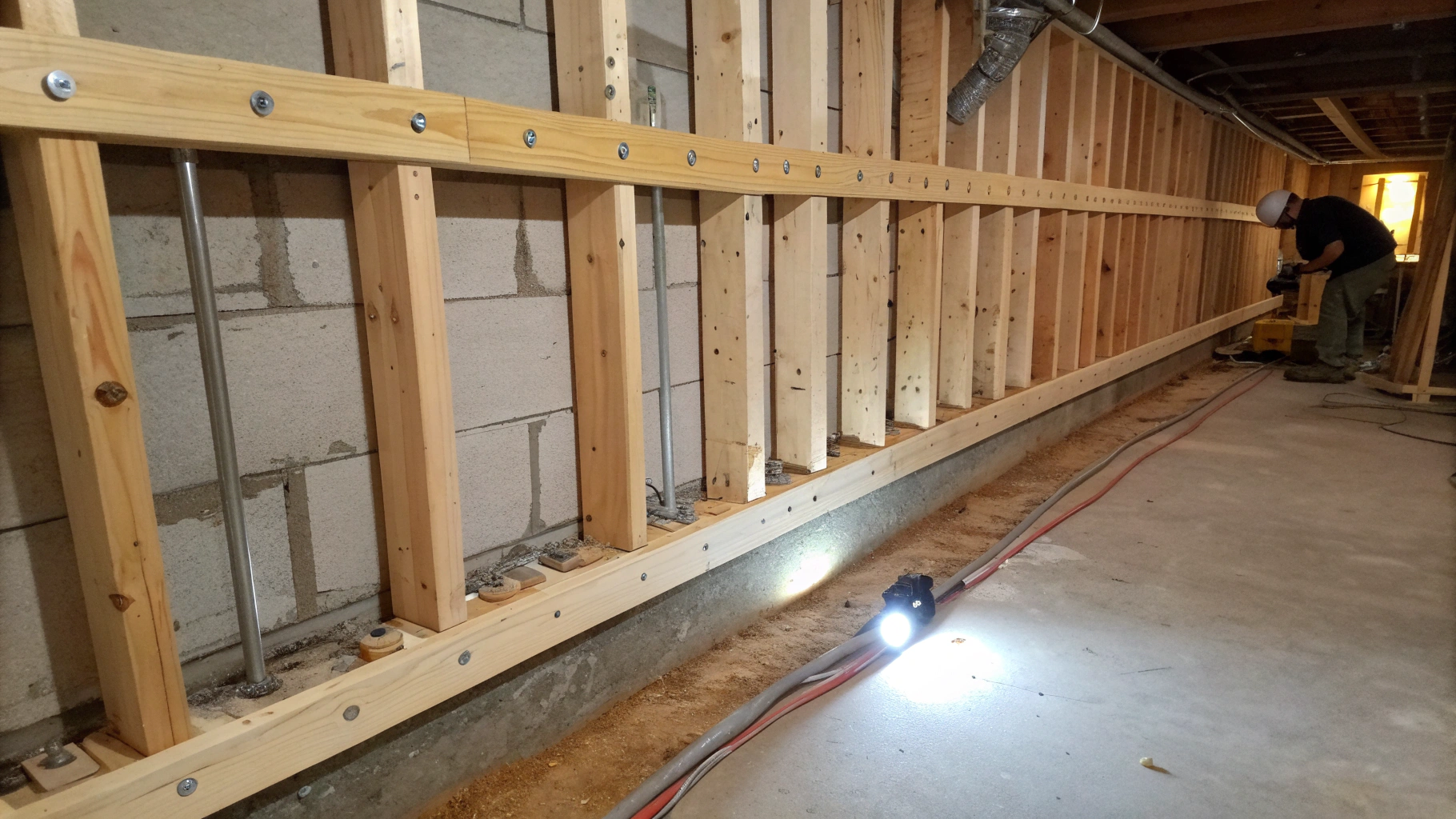
Rhythmic, quiet tapping sounds audible inside timber framing during still evenings and humid nights.
Larvae make faint clicking sounds while eating through interior grain. Emerging adults also tap to communicate inside walls.
Internal partitions, timber wall cavities, and quiet bedroom floors.
Noticed any of these signs in your floorboards or roof space?
Early treatment stops borer larvae before they undermine structural timbers. Our Auckland technicians conduct thorough moisture and timber checks.
How our borer treatment works
Four systematic steps to stop wood-boring insects and protect your timber framing.
Subfloor, roof cavities, and foundations
We check accessible timber surfaces, measuring moisture levels and noting active flight holes or frass to identify vulnerable load-bearing timbers.
Direct injection and penetrative surface spray
We inject active exit holes and apply a long-lasting residual spray across infested wooden surfaces to halt active larvae immediately.
Preservative seal and barrier coats
Unfinished timbers in damp or vulnerable zones are coated with timber preservative to stop re-infestation and strengthen resistance against future attacks.
Documented warranty and post-care checks
We provide a written treatment summary and schedule a follow-up assessment to verify that no new flight activity or larvae emergence occurs.
Suspect active borer in your subfloor or weatherboards?
Our technicians carry precision timber injection gear and eco-friendly structural treatments.
What Auckland homeowners say about our borer treatments
Read genuine feedback from villa and bungalow owners across the Auckland region who protected their timber.
Google Verified Auckland Reviews
Suspecting active borer or woodworm in your timbers?
Early detection prevents extensive structural subfloor and floorboard damage across Auckland.
Answers for Auckland borer treatment
Protect your timbers from progressive damage. Everything you need to know about safety, treatment timelines, and lasting structural guarantees.
Need a rapid timber check?
Receive fixed pricing and timber safety recommendations from certified Auckland specialists.